TPO roofing · Commercial
TPO roofing for low-slope commercial buildings.
Overview
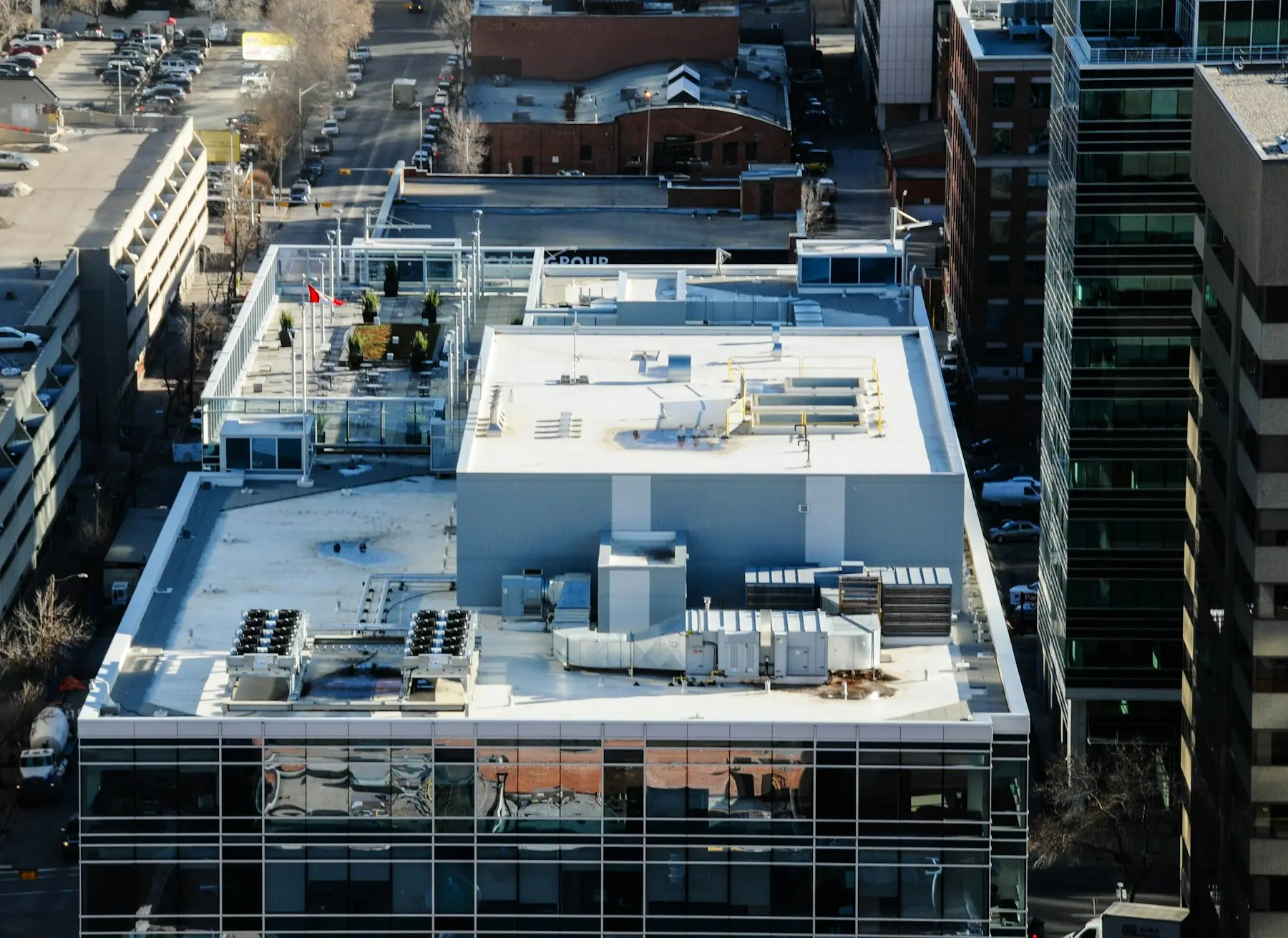
TPO (thermoplastic polyolefin) is a single-ply membrane widely used on low-slope commercial roofs. Seams are typically heat-welded, forming a continuous waterproof surface.
It is often chosen for its reflective surface and cost-competitive installation, but performance depends heavily on installation quality, roof design and maintenance. We help you evaluate whether it fits your building.
Reflective surface
Light-colored membranes can reduce heat absorption on the roof.
Welded seams
Heat-welded seams create a continuous membrane when properly installed.
Broad use
A common choice for flat and low-slope commercial roofs.
The problems we solve
Questions to settle before choosing TPO
Is the roof a good candidate?
Slope, drainage, existing layers and structure all influence system choice.
How will seams be handled?
Seam quality is central to membrane performance and worth discussing in detail.
What about penetrations?
Rooftop equipment, curbs and drains need careful detailing.
Who maintains it?
Even durable membranes benefit from periodic inspection.
Our process
How a TPO project moves forward
- 01
Assess the existing roof
Condition, layers, moisture and drainage.
- 02
Design the system
Membrane, insulation, attachment and details.
- 03
Install with oversight
Seam welding and flashing details checked as work progresses.
- 04
Document and hand over
Record the as-built system for future maintenance.
TPO at a glance
- System type
- Single-ply thermoplastic membrane
- Seams
- Heat-welded
- Typical use
- Low-slope commercial and multi-family roofs
- Key to performance
- Installation quality, details and maintenance
Local relevance. Temperature swings and winter conditions in Iowa and Nebraska make detailing, drainage and periodic inspection especially important for any flat roof membrane.
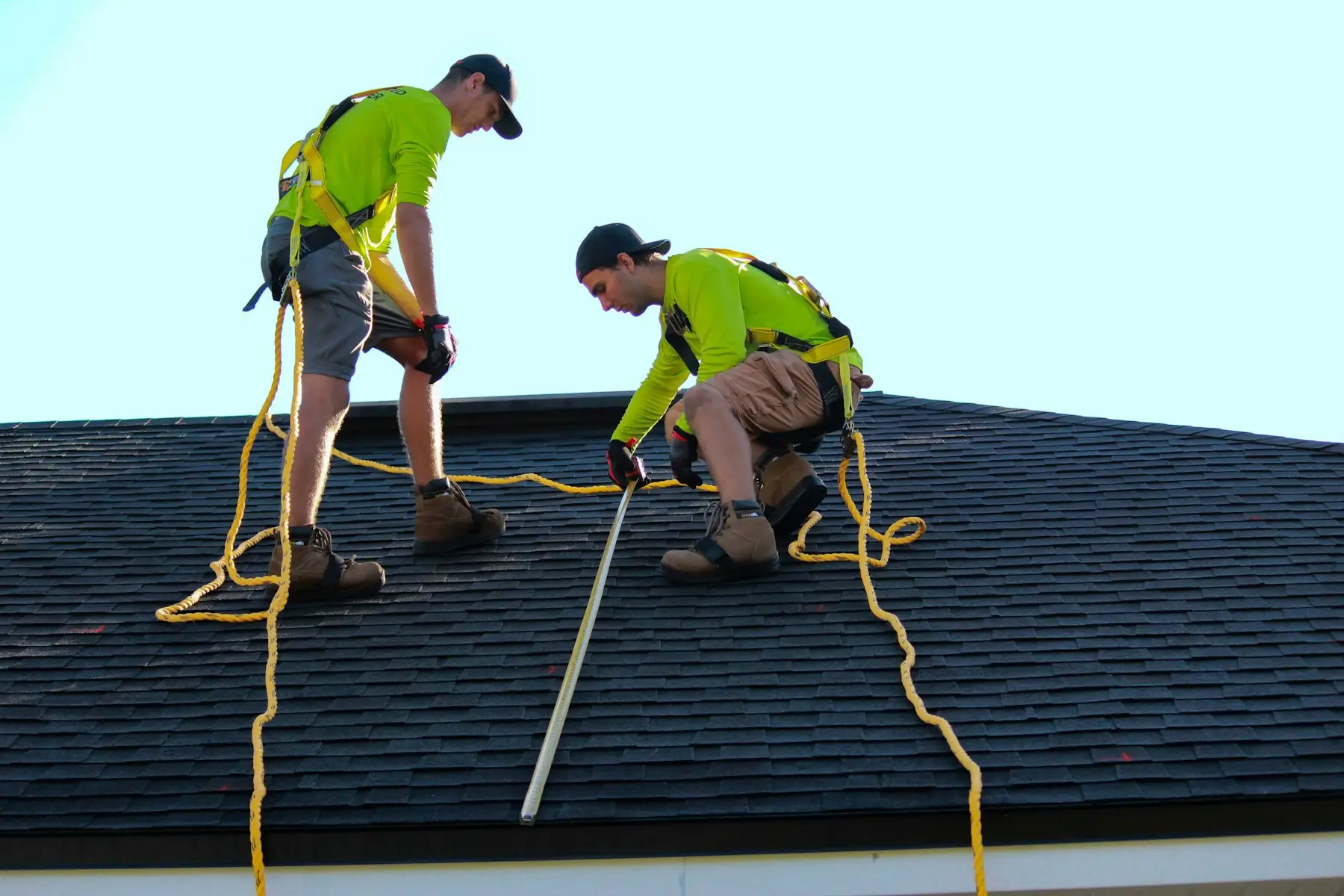
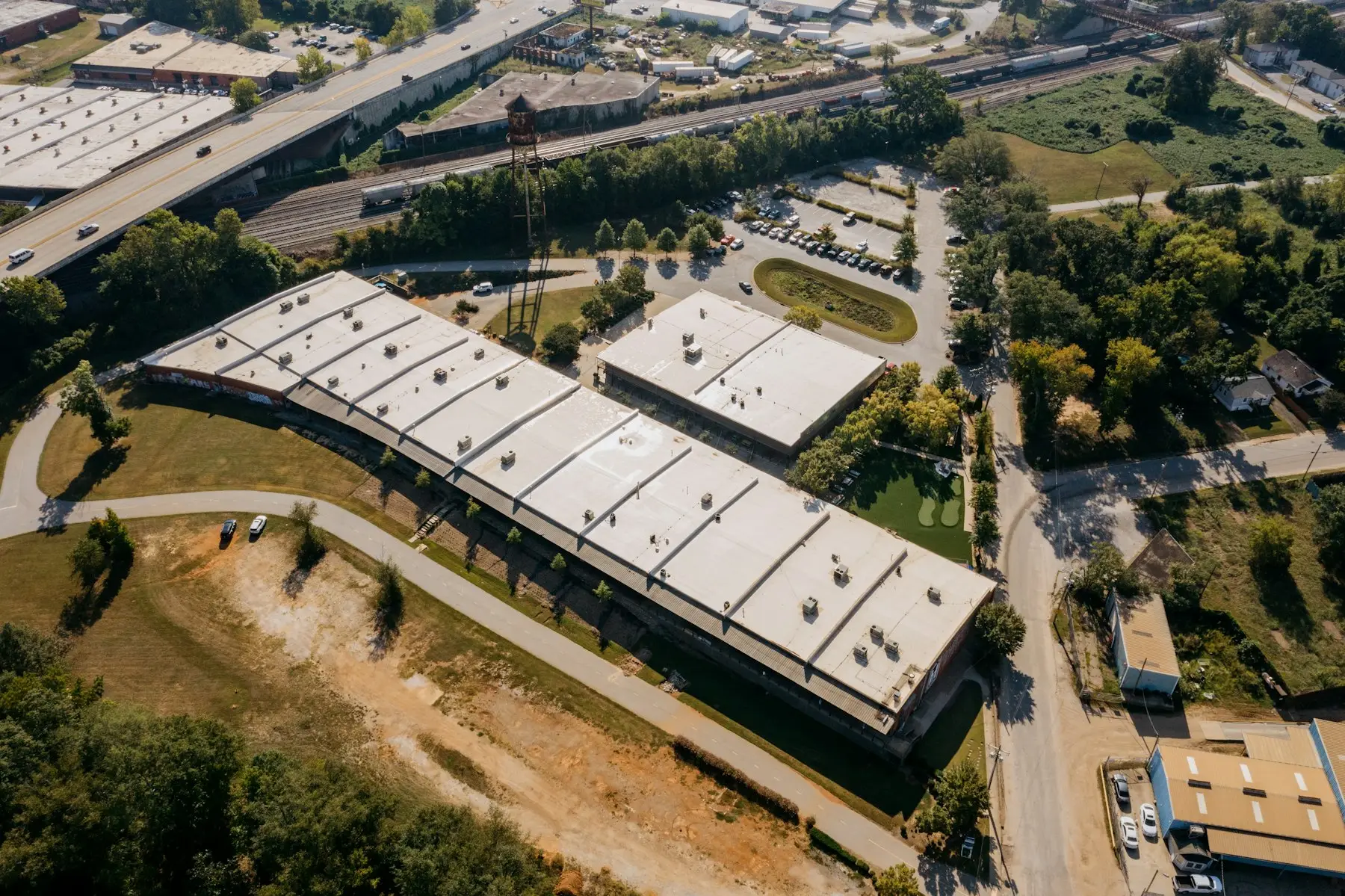
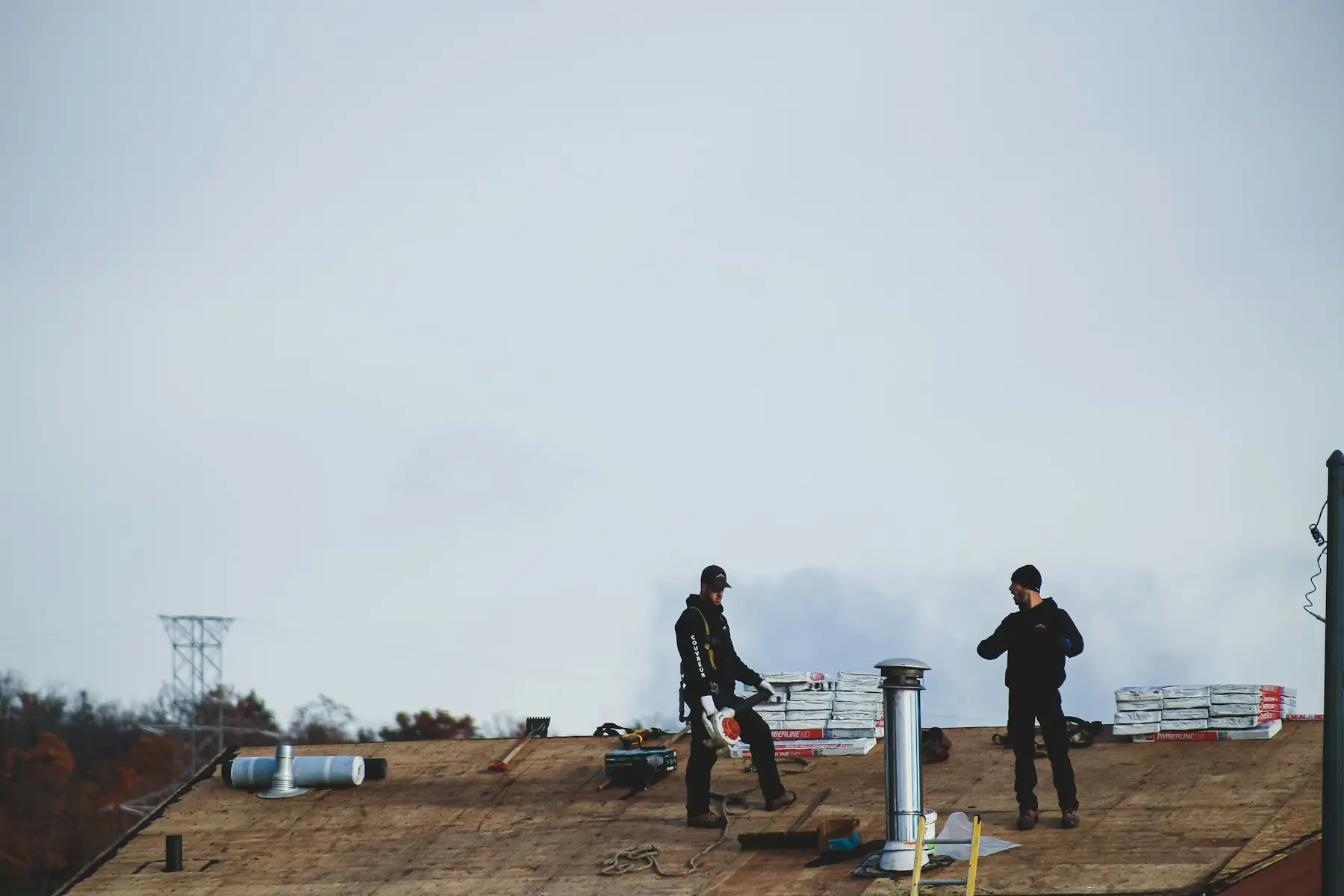
Photography shown is illustrative stock imagery, not company project work.
Related services
Often considered together.
EPDM Roofing
Rubber membrane roofing with a long track record on low-slope commercial buildings.
Learn more
PVC Roofing
Heat-welded PVC membranes, often chosen for buildings with demanding exposure.
Learn more
Commercial Roof Maintenance
Scheduled inspections and documented upkeep that extend roof life and support capital planning.
Learn moreTPO Roofing FAQs
Questions we hear most.
Not seeing your question? Call us or send a message and we will answer it plainly.
How long does a TPO roof last?
Service life varies with installation quality, building conditions and maintenance, and it differs between manufacturers. We will not quote a number we cannot support for your specific roof.
TPO, EPDM or PVC: which is better?
There is no universal winner. The best choice depends on the building, budget, exposure and use. See our comparison guide in Resources.
Can TPO be installed over an existing roof?
Sometimes, depending on code, condition and moisture. A roof assessment determines whether that is appropriate.
Next step
Request a commercial roofing assessment.
Whether you are dealing with a roofing concern or planning long-term property maintenance, we are here to help you understand your options.
No obligation. We will explain what happens next before you commit to anything.