What to Look for After a Hailstorm
A calm checklist for the first day or two after hail: what to check safely, what to document and when to call.

After a hailstorm, the instinct is to act fast. The better instinct is to be safe, observe and document. Here is a calm way to approach it.
1. Stay off the roof
Wet, damaged roofs are dangerous. Do your first check from the ground. Binoculars help.
2. Check the soft metals
Dents in gutters, downspouts, vents and flashing can indicate hail size and direction. They are also a clue that the roof deserves a closer look.
3. Look around the property
Check for dented siding, damaged window screens, dinged outdoor equipment and debris. Photograph what you see with date and context.
4. Check inside
Look at ceilings and attic spaces (if you can reach them safely) for stains, drips or damp insulation.
5. Document before cleanup
Take photos of ground-level conditions before anything is moved or repaired. Note the date and time of the storm.
6. Get a qualified assessment
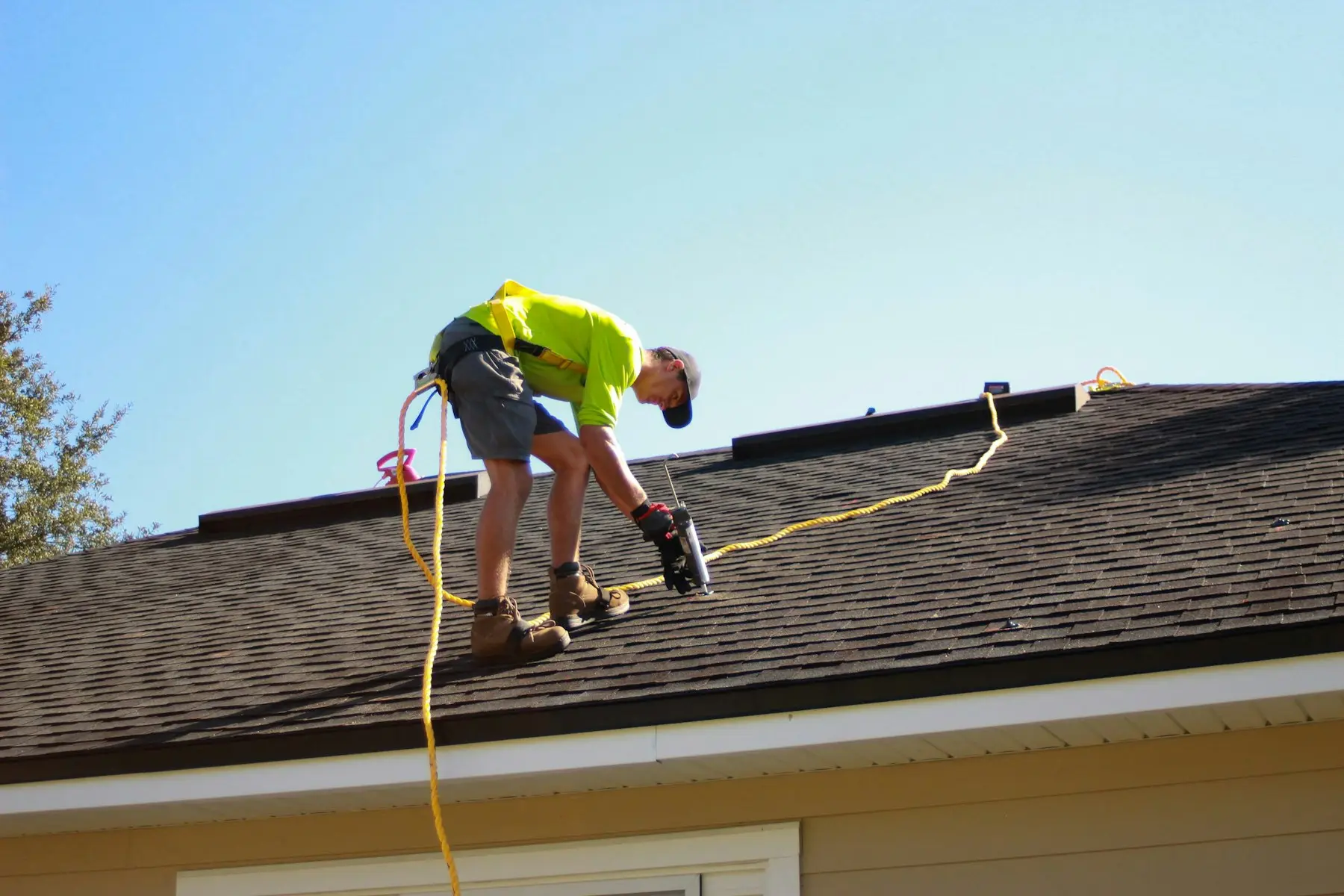
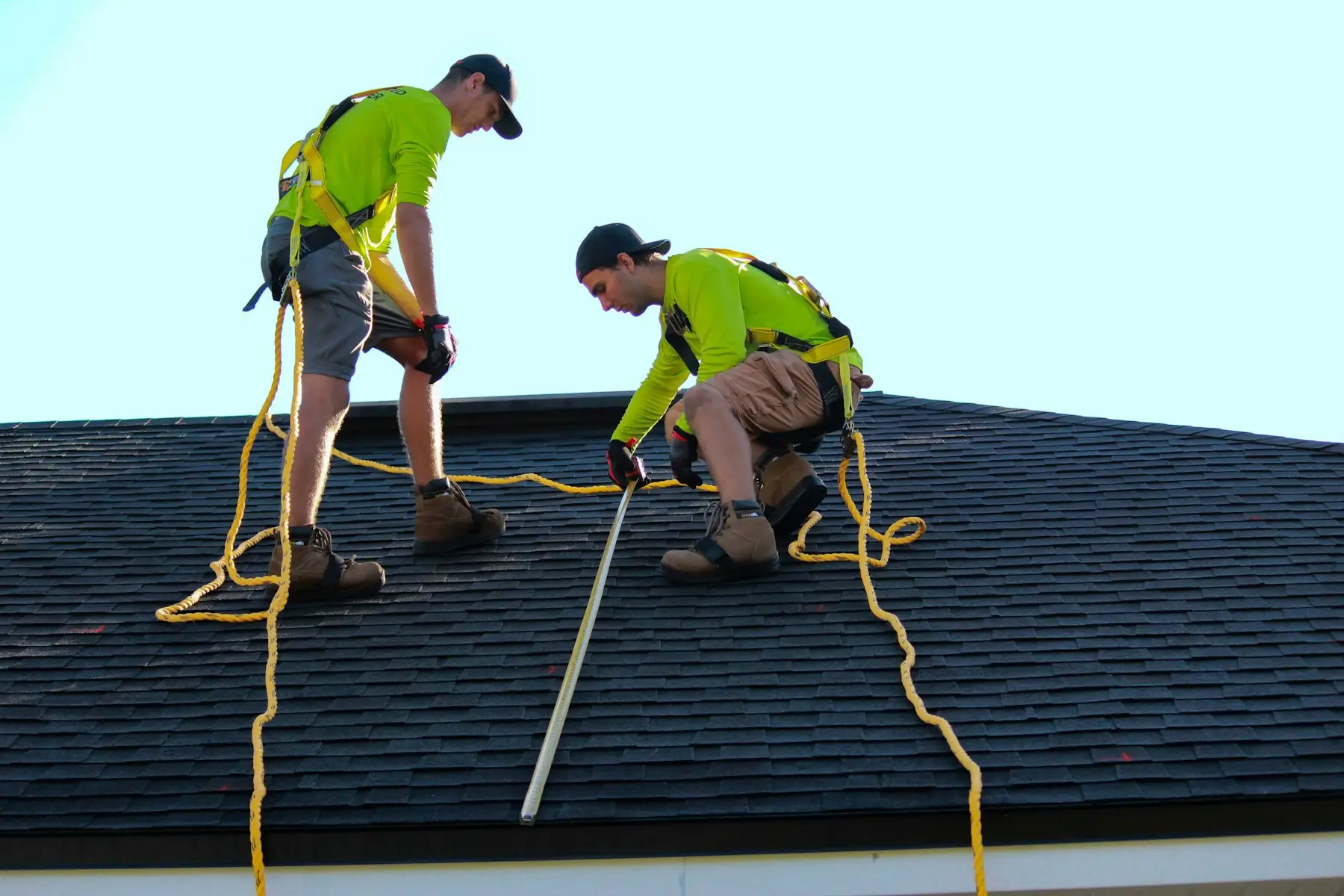
Hail damage to shingles can be subtle. A close inspection looks at impact patterns across each slope and distinguishes cosmetic marks from functional damage.
A word on storm chasers
After big storms, out-of-area crews often canvass neighborhoods. Take your time. Ask for local references, verify credentials and avoid signing anything under pressure.
Insurance
Review your policy and contact your insurer about their process. A roofing professional can document the roof’s condition, but coverage decisions belong to your insurer, and no contractor can promise an outcome.