Understanding TPO, EPDM, and PVC Roofing
Three common single-ply membranes, how they differ and the questions that actually decide the choice.
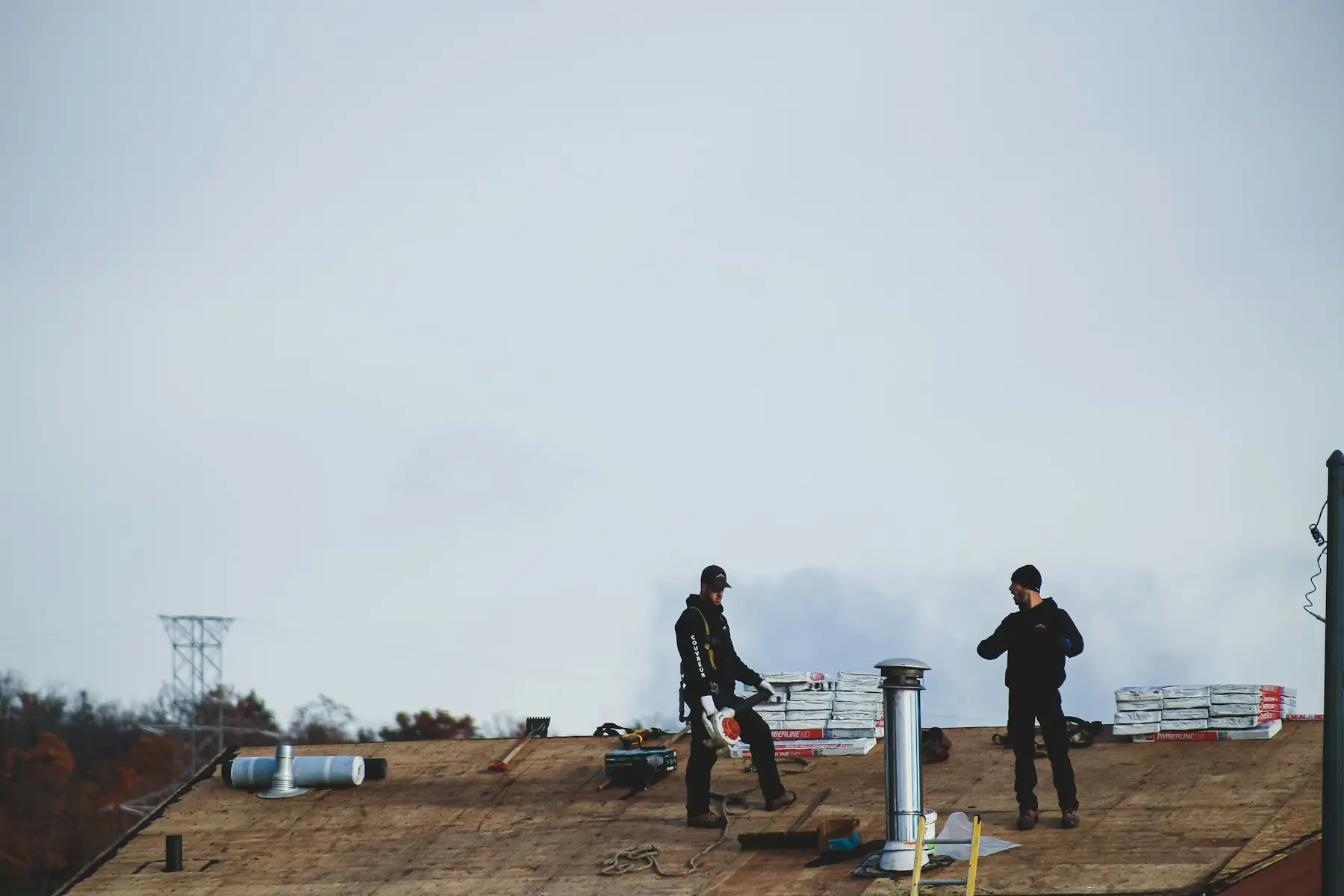
TPO, EPDM and PVC are the most common single-ply membranes on low-slope commercial roofs. They look similar from a distance, but they behave differently.
TPO
A thermoplastic membrane with heat-welded seams, often in reflective white. It is widely used and competitive on cost. Performance depends on installation quality and the specific product.
EPDM
A synthetic rubber membrane supplied in large sheets, commonly black. It has a long history on commercial roofs. Seams are typically adhesive or tape-based, so seam quality is a key point of attention.
PVC
A thermoplastic membrane with heat-welded seams, often chosen where grease, chemical or demanding exposures are a factor. It frequently carries a higher first cost.
How they compare at a glance
- Seams: TPO and PVC are heat-welded. EPDM uses adhesive or tape.
- Surface color: TPO and PVC are often light and reflective. EPDM is commonly black.
- Exposure: PVC is often considered for grease or chemical exposure.
- Cost: Varies by project, product and market. Get itemized quotes.
The questions that decide the choice
- What does the roof see: foot traffic, rooftop exhaust, chemicals?
- What is the condition of the existing roof and substrate?
- What are the lifecycle and budget plans for the building?
- Who will install it, and how will quality be checked?
The honest answer is that installation quality and maintenance often matter as much as the membrane you pick.