How to Know If Your Roof Needs Repair or Replacement
Age, condition and the cause of the problem all matter. Here is a practical way to think about the decision.
Few home decisions feel as high-stakes as this one. A repair is relatively modest. A replacement is a major expense. The right answer depends on the roof in front of you, not a rule of thumb.
Start with the cause, not the symptom
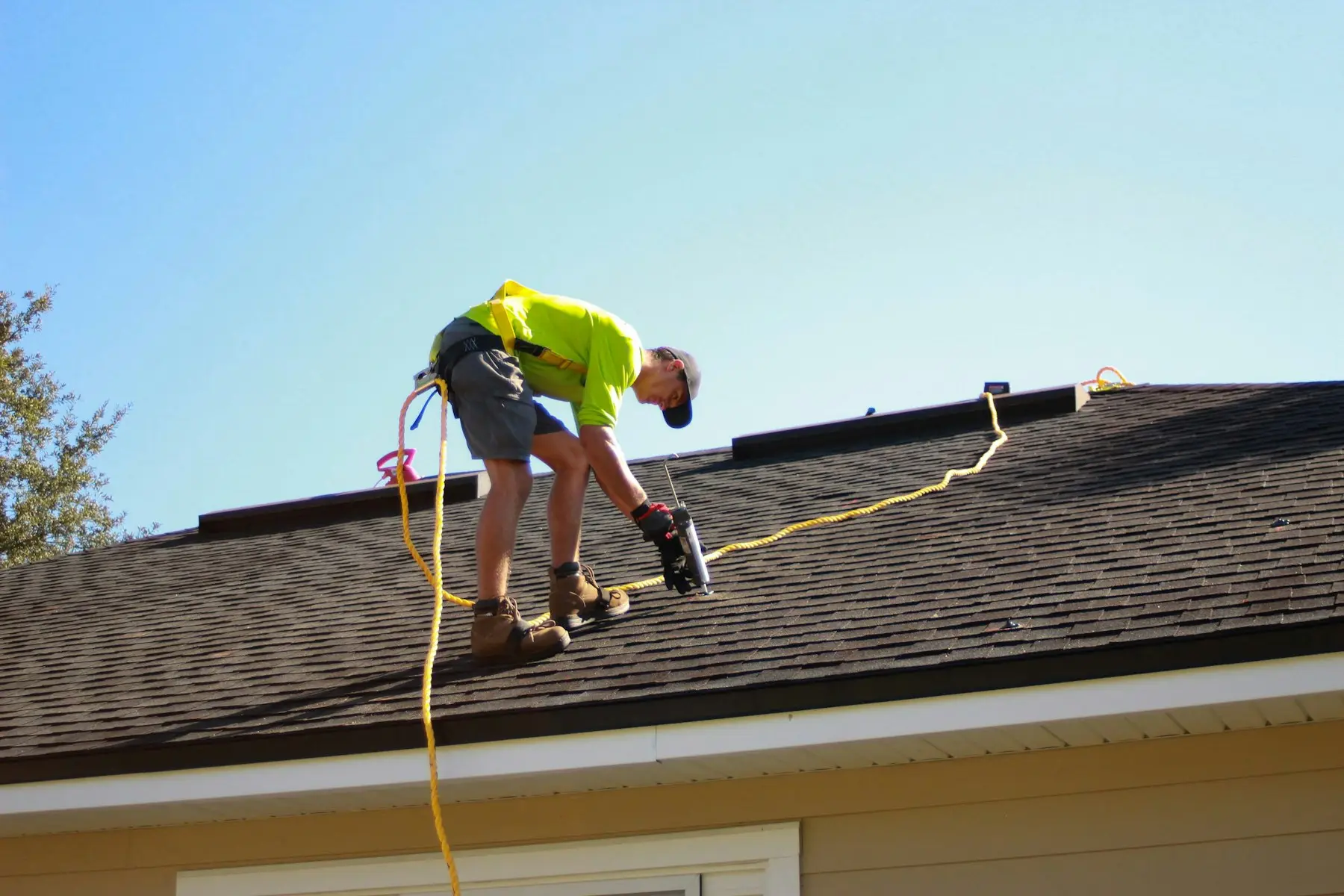
A leak tells you water is getting in. It does not tell you why. A failed pipe boot, worn flashing or a few lifted shingles can often be repaired. Widespread deterioration across the roof usually cannot.
Signs that point toward repair
- Problems are isolated to one area, such as a single slope, valley or penetration.
- The rest of the roof surface looks sound and has meaningful service life remaining.
- The cause is clear and fixable, such as damaged flashing or a small number of missing shingles.
Signs that point toward replacement
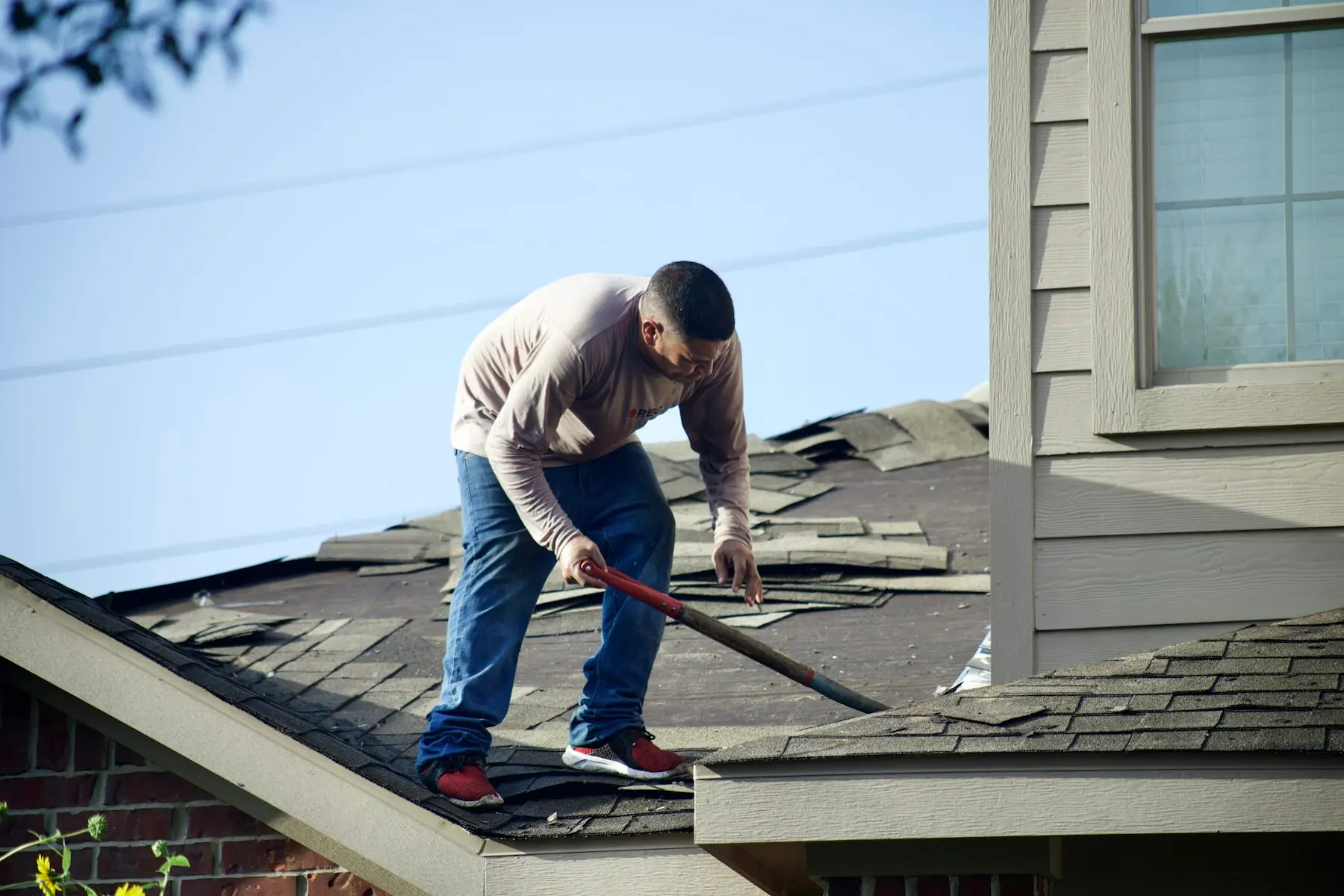
- Wear is widespread: curling, cracking, or heavy granule loss across large areas.
- Repairs are becoming frequent and leaks keep returning.
- Storm damage affects multiple slopes.
- The roof is near the end of the service life expected for its material and exposure.
Age matters, but it is not the whole story
Roof age is a useful clue. Service life varies by material, installation quality, ventilation and weather exposure, so two roofs of the same age can be in very different condition.
What a good inspection should give you
You should come away with an explanation in plain language, photos tied to specific areas, and options with trade-offs. Be cautious of anyone who recommends replacement without showing you the evidence.
Questions worth asking any contractor
- What exactly did you find, and where?
- Could this be repaired instead? What are the limits of a repair?
- What would happen if I waited a season or two?